
Thoughtful workspace planning shapes how daily tasks feel over long working hours. Ergonomic equipment layouts reducing stylist fatigue while supporting consistent service quality focuses on arranging tools furniture and movement paths with human comfort in mind. Proper placement lowers strain. Balanced reach improves control. Clear spacing supports smooth motion. Well planned layouts help stylists stay focused. Physical ease allows attention to remain on results rather than discomfort.
Workspace Flow and Body Alignment
Efficient layout design begins with natural movement patterns that respect posture and reach limits. When tools align with body mechanics strain reduces noticeably.
- Neutral standing positions help protect joints during extended service sessions
- Proper counter heights reduce shoulder and wrist tension
- Clear walking paths prevent awkward twisting movements
- Balanced workstation spacing supports steady body alignment
- Logical placement minimizes repetitive reaching
Equipment Positioning for Daily Tasks
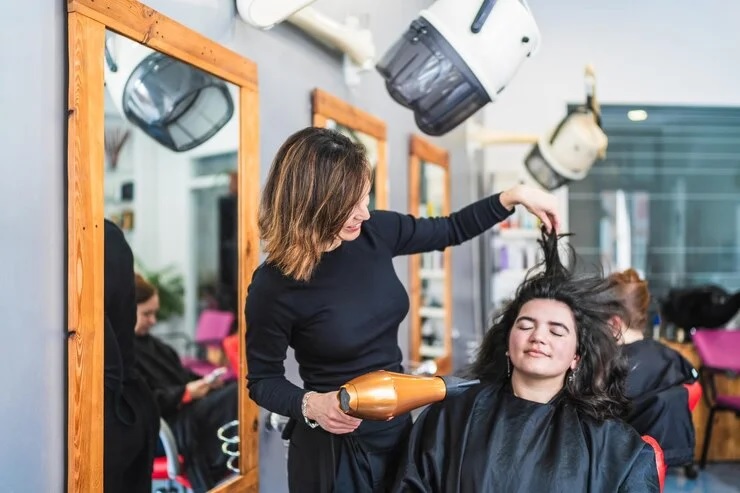
Tool placement directly affects endurance. Frequently used items should remain within easy reach. Adjustable stations adapt to different body types. When movement stays minimal energy lasts longer. Consistent positioning reduces unnecessary steps. These adjustments allow stylists to maintain rhythm without physical overload while keeping output steady across appointments.
Seating and Support Considerations
Supportive seating plays a major role in reducing long term strain. Chairs and stools must complement standing tasks.
- Adjustable seating promotes posture changes throughout the day
- Lumbar support reduces lower back pressure
- Stable bases enhance balance during seated work
- Smooth mobility supports quick position changes
- Proper height settings prevent knee strain
Integrated Layout Solutions
A well-planned layout considers equipment as a system rather than separate pieces. Platforms like Omysalon inspire cohesive arrangements where stations storage and seating work together. Integrated planning improves flow. Reduced clutter enhances focus. Equipment harmony supports steady performance. This unified approach allows stylists to maintain comfort while delivering reliable results throughout busy schedules.
Lighting and Visual Comfort
Visual strain contributes to fatigue. Proper lighting placement reduces eye stress. Even illumination prevents leaning or squinting. Adjustable fixtures adapt to task detail. Clear visibility supports precision. When visual comfort improves physical posture follows naturally.
Workplace comfort begins with intentional arrangement. Balanced layouts protect the body. Smart positioning saves energy. Supportive seating improves endurance. Unified systems enhance efficiency. Visual clarity supports precision. Ergonomic equipment layouts reducing stylist fatigue while supporting consistent service quality demonstrates how thoughtful design sustains both wellbeing and performance. By reducing physical strain stylists can maintain focus consistency and long-term satisfaction within their daily routines.
Comments are closed, but trackbacks and pingbacks are open.